
Choosing a carnival swing ride for different amusement parks involves several factors to ensure it meets the park’s needs and provides a safe, enjoyable experience for visitors. Here are the key considerations:
1. Target Audience
Age Group: Determine if the wave swinger is for children, families, or thrill-seekers. Children’s rides will have lower height and speed limits, while rides for teens and adults can be more intense.
Capacity: Estimate the expected number of riders. Higher capacity rides can reduce wait times and improve park throughput.
2. Space and Location
Available Space: Measure the area where the chair O plane will be installed. Include additional space for queues and safety zones.
Site Conditions: Consider ground conditions, proximity to other attractions, and access for maintenance and emergency services.

3. Ride Specifications
Size and Height: Choose a ride that fits within the vertical and horizontal space constraints of your park.
Speed and Motion: Select the speed and type of motion (e.g., gentle amusement park swings rides for children, more intense rotations for thrill rides).
4. Safety and Regulations
Compliance: Ensure the ride meets local and national safety standards and regulations.
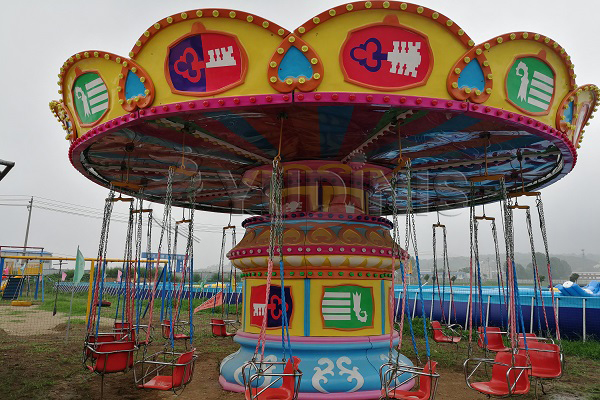
Safety Features: Look for rides with advanced safety features such as secure restraints, emergency stop mechanisms, and regular maintenance schedules. Besides, you had better find a high quality FRP material swing ride. Because it has long service life.
5. Theme and Aesthetics
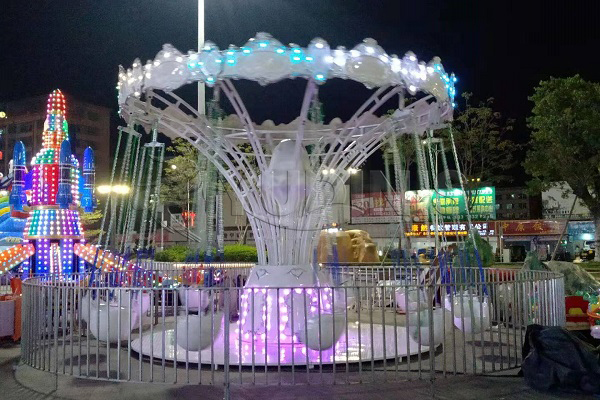
Design: Choose a ride that complements the theme and aesthetic of your park. The ride’s appearance can attract visitors and enhance the overall park atmosphere.
Customization: Some manufacturers offer customization options to match your park’s branding and themes.
6. Manufacturer and Quality
Reputation: Research manufacturers and select one with a good reputation for quality and reliability.
Reviews and References: Check reviews from other amusement parks and request references to learn about their experiences with the ride and manufacturer.
7. Cost and Budget
Initial Cost: Consider the purchase price, installation fees, and any additional costs for theming or customization.
Operational Costs: Factor in the costs of operation, maintenance, staffing, and energy consumption.
Return on Investment (ROI): Estimate the potential revenue from the ride and compare it to the total cost of ownership.
8. Installation and Maintenance
Installation Requirements: Assess the complexity and time required for installation. Ensure you have the necessary infrastructure and support.
Maintenance Needs: Choose a ride with manageable maintenance requirements and ensure you have the technical staff to handle it.
9. User Experience
Comfort and Enjoyment: Ensure the ride provides a comfortable and enjoyable experience for riders.
Accessibility: Consider accessibility features for riders with disabilities.
10. Future Proofing
Scalability: Choose a ride that can be upgraded or expanded if needed.
Longevity: Opt for durable materials and a design that will remain appealing and functional for many years.
Practical Steps
Visit Other Parks: Observe similar rides in operation to see how they perform and gauge rider reactions.
Consult with Experts: Engage ride consultants or engineers for professional advice on the best options for your park.
Test Rides: If possible, test ride options at trade shows or manufacturer facilities to experience them firsthand.
By considering these factors, you can choose a carnival swing ride that aligns with your park’s goals, provides a safe and enjoyable experience for visitors, and offers a good return on investment. Know more information, click here: https://www.outdoorparkrides.com/carnival-swing-ride-for-sale/